
The relationship between gambling and mental health understanding the effects
Understanding the Link Between Gambling and Mental Health
The relationship between gambling and mental health is complex and multifaceted. Many individuals gamble for entertainment, seeking the thrill and excitement associated with games of chance. However, for some, this activity can spiral into an obsession that adversely impacts their mental well-being. Research indicates a strong correlation between gambling addiction and mental health disorders, such as depression, anxiety, and substance abuse, creating a challenging cycle that is difficult to break. Platforms like those offering payid pokies help users find safe gambling options, highlighting the importance of responsible gaming.
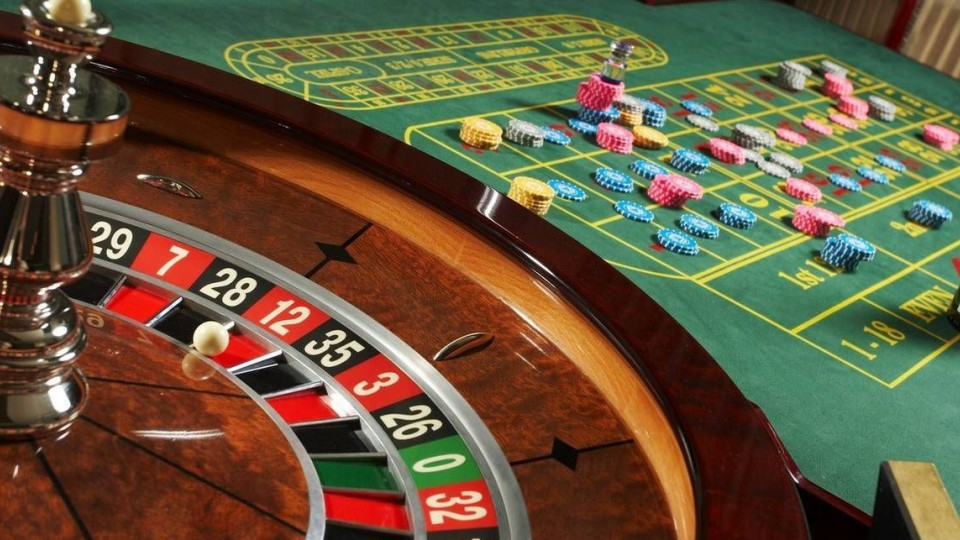
This connection underscores the necessity for awareness and understanding. Gambling can initially appear harmless, but for certain individuals, it may serve as an escape from underlying emotional issues. Recognizing these patterns is crucial for both individuals and healthcare providers to address mental health concerns effectively.
The Psychological Effects of Gambling
The psychological impact of gambling can be profound. For those who develop a gambling problem, the emotional rollercoaster can lead to heightened stress, anxiety, and feelings of despair. As they chase losses or seek the thrill of winning, gamblers may find themselves in a relentless pursuit that exacerbates mental distress. This psychological strain can lead to isolation, strained relationships, and even physical health issues.
Signs of Problem Gambling and Their Mental Health Implications
Effective Strategies for Managing Gambling-Related Mental Health Issues
